Key takeaways
- Daubert makes the judge a gatekeeper over methodology; Frye asks only whether the method is generally accepted.
- Federal courts and the large majority of states follow Daubert.
- Exclusion usually turns on methodology, not credentials — document how the opinion was reached.
The two standards
Frye v. United States (1923) asks one question: is the expert's methodology generally accepted in the relevant scientific community? Daubert v. Merrell Dow (1993) replaced Frye in federal court with a multi-factor reliability inquiry, testability, peer review, error rates, standards, and general acceptance, with the trial judge as gatekeeper.
Daubert governs all federal courts and the large majority of states. A shrinking minority, including California (Kelly/Frye variant), Illinois, Minnesota, and Washington, retain Frye in some form. New York applies Frye with its own gloss.
What it means for expert selection
Under Daubert, methodology is everything: an impeccably credentialed expert with an ipse dixit opinion gets excluded, while a less famous expert with rigorous, literature-grounded reasoning survives. Under Frye, pedigree and mainstream methods matter most; novel techniques face the highest barrier.
Practically: in Daubert jurisdictions, ask candidates how they'd support the opinion, differential etiology, literature, clinical guidelines. In Frye jurisdictions, confirm the methodology is textbook-standard for the specialty.
Preparing for the challenge
Expect a motion to exclude in any significant case. Protect the record early: have the expert articulate methodology in the report, cite the supporting literature, and connect each opinion to specific record evidence. The 2023 amendments to Rule 702 re-emphasized that the proponent bears the burden, courts are taking gatekeeping more seriously, not less.
About the author
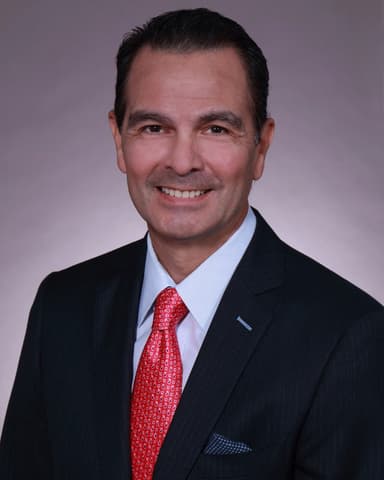
Sales and Marketing Leader, Retain
Michael has spent more than 25 years leading sales and marketing teams in pharmaceuticals, medical devices, and healthcare diagnostics, including 10 product launches and P&L responsibility up to $150M. He writes about how attorneys and physicians actually work together on expert engagements.
Keep reading
How to Find an Expert Witness
The four ways attorneys find experts, what each costs, and how to vet a candidate before disclosure.
Expert Witness vs. IME: What's the Difference?
Independent medical examinations and retained expert opinions serve different purposes, here's when each applies and how they interact.
Adriamycin (Doxorubicin) Litigation: When Chemotherapy Cardiotoxicity Needs an Expert Witness
Why Adriamycin cases turn on cumulative dose, cardiac monitoring, and informed consent, and which experts attorneys retain to prove or defend them.