Key takeaways
- Four channels: referrals, directories, academic cold-calls, and matching platforms — they differ mostly in vetting and speed.
- Run five checks before disclosure: licensure, active practice, testimony history, discipline, and contradictory publications.
- Retain early. Pre-suit merit review keeps weak cases from being filed and gives your expert time to master the record.
The four sourcing channels
Attorneys find experts through four channels. They differ less in who they can reach than in how much vetting happens before a name lands on your desk.
- Referrals from colleagues — trusted, but slow and limited to your own network.
- Directory listings — self-registered experts with little or no vetting.
- Academic cold-calling — takes weeks, and often lands on physicians with no testimony experience.
- Matching services like Retain — credentials screened first, then matched to your case’s specialty, jurisdiction, and timeline.
What to vet before you disclose
Five checks before any expert goes on your disclosure:
- Licensure and board certification in the relevant specialty.
- Active clinical practice — “retired since 2015” invites cross-examination.
- Testimony history, including plaintiff/defense balance and any prior exclusions.
- Disciplinary record.
- Publications or positions that could contradict the opinion you need.
Every physician on Retain clears the first four before appearing in a match, and CV intelligence surfaces the fifth.
Timing
Retain experts early. Pre-suit merit review protects you from filing weak cases; early retention locks the best-fit specialist before opposing counsel reaches them, and gives your expert time to master the record rather than cram before deposition.
About the author
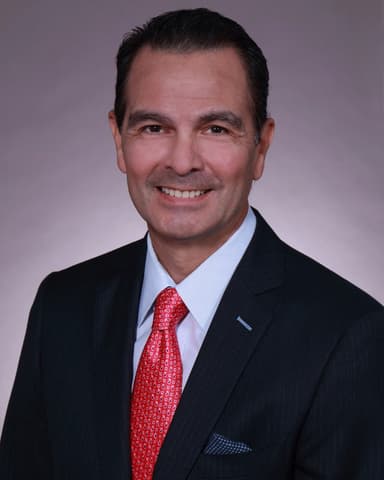
Sales and Marketing Leader, Retain
Michael has spent more than 25 years leading sales and marketing teams in pharmaceuticals, medical devices, and healthcare diagnostics, including 10 product launches and P&L responsibility up to $150M. He writes about how attorneys and physicians actually work together on expert engagements.
Keep reading
Daubert vs. Frye: Expert Admissibility Standards Explained
How the two admissibility standards differ, which states use which, and what each means for selecting and preparing your expert.
Expert Witness vs. IME: What's the Difference?
Independent medical examinations and retained expert opinions serve different purposes, here's when each applies and how they interact.
Adriamycin (Doxorubicin) Litigation: When Chemotherapy Cardiotoxicity Needs an Expert Witness
Why Adriamycin cases turn on cumulative dose, cardiac monitoring, and informed consent, and which experts attorneys retain to prove or defend them.