Key takeaways
- An expert witness may give opinion testimony under FRE 702; a fact witness may not.
- The work is mostly records review, report writing, and deposition — only a small fraction of cases reach trial.
- Qualification turns on fit between the expert's practice and the specific opinion offered, not on titles alone.
- Federal courts and most states apply Daubert; a minority still apply Frye's general-acceptance test.
The definition
An expert witness is a person whose specialized knowledge, skill, education, training, or experience qualifies them to give opinion testimony in court, something ordinary fact witnesses cannot do. Under Federal Rule of Evidence 702 and its state equivalents, an expert may offer opinions when their specialized knowledge will help the factfinder understand the evidence or decide a fact in issue.
In medical litigation, expert witnesses are almost always physicians: a case alleging surgical negligence needs a surgeon to explain what the standard of care required and whether it was met.
What expert witnesses actually do
The work spans far more than trial testimony. A typical engagement includes reviewing medical records and imaging; forming preliminary opinions on merit; writing a formal report disclosing opinions and their bases; sitting for deposition; and, in the small fraction of cases that reach trial, testifying before a jury.
Many physicians also serve as consulting (non-testifying) experts, helping counsel understand the medicine, frame discovery, and evaluate settlement value without ever being disclosed.
Who qualifies
Courts look at the fit between the expert's qualifications and the specific opinion offered. Board certification, active clinical practice, publications, and teaching all strengthen qualification, but the decisive question is whether the expert genuinely practices in the area at issue. Many states add statutory requirements for medical malpractice, such as same-specialty and active-practice rules.
How courts screen expert testimony
Federal courts and most states apply the Daubert standard: the judge acts as gatekeeper, asking whether the expert's methodology is reliable and reliably applied. A minority of states retain the older Frye 'general acceptance' test. Either way, a well-qualified expert with a rigorous, transparent methodology is the best insurance against exclusion.
About the author
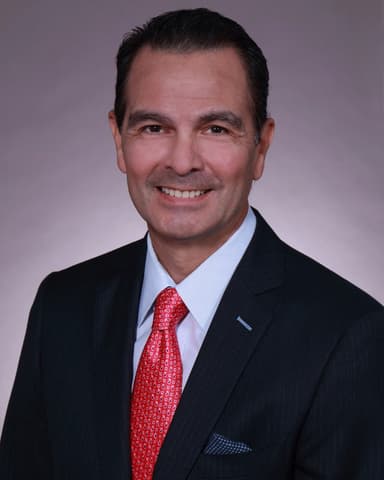
Sales and Marketing Leader, Retain
Michael has spent more than 25 years leading sales and marketing teams in pharmaceuticals, medical devices, and healthcare diagnostics, including 10 product launches and P&L responsibility up to $150M. He writes about how attorneys and physicians actually work together on expert engagements.
Keep reading
Expert Witness Fees: What Physicians Charge in 2026
Typical hourly rates for record review, deposition, and trial by specialty, and how engagement structures and retainers work.
Expert Witness Qualifications: What Courts Require
The qualification standards for medical expert witnesses, evidentiary rules, state malpractice statutes, and the practical credibility bar.
Expert Witness Glossary
Plain-English definitions of the terms attorneys and physicians encounter in expert witness work.