Key takeaways
- No certification is required. Active board-certified practice in the specialty at issue is the real qualification.
- Expect 10-40 hours per case, concentrated in records review and deposition.
- Physician experts commonly bill $400-$900/hour, with deposition and trial time at a premium.
- Your reputation is the asset: take cases on both sides, and decline opinions you cannot defend.
Do you qualify?
If you hold an active medical license, board certification, and roughly five or more years of clinical experience, you already meet the threshold most attorneys, and most state statutes, require. Active practice matters more than an academic title: courts and juries credit physicians who still treat the conditions they testify about.
No separate certification is required to be an expert witness. Courses exist and can sharpen report-writing and deposition skills, but no credential substitutes for genuine clinical expertise, and attorneys know it.
What the work involves
Most engagements are record reviews: reading charts and imaging, then giving a verbal or written opinion on standard of care or causation. A subset proceed to a written report and deposition; very few reach trial. Typical time commitment is a handful of hours per case, on your schedule.
You choose which cases to accept, plaintiffs or defense or both, and how much work to take. Many physicians treat expert work as a few hours a week alongside full clinical practice.
What you can earn
Physician expert witnesses typically charge $400–$800 per hour for record review, more for deposition ($500–$900) and trial testimony (often billed as day rates from $5,000). Rates vary by specialty scarcity, neurosurgery and pediatric subspecialties command premiums. On Retain, you set your own fee schedule and keep 100% of what you bill.
Getting your first case
The hardest part is being found. Attorneys rarely cold-call unknown physicians; they use referral networks and platforms. Joining Retain takes about ten minutes: submit your CV, we verify your credentials, and you appear in matches for cases in your specialty, anonymized until you accept an engagement. There is no cost to join and no obligation to accept any case.
Protecting your reputation
Good expert work is honest work: opine only within your specialty, never stretch beyond what the records support, and keep your plaintiff/defense mix balanced enough that neither side can paint you as a hired gun. Your testimony history follows you, build it carefully.
About the author
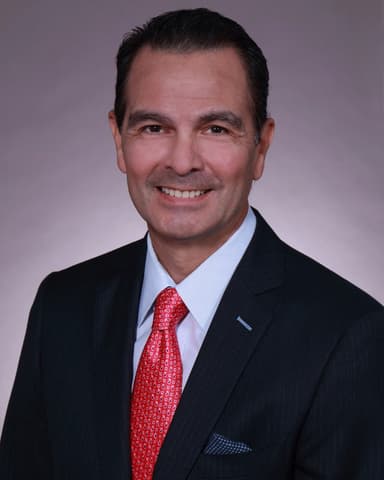
Sales and Marketing Leader, Retain
Michael has spent more than 25 years leading sales and marketing teams in pharmaceuticals, medical devices, and healthcare diagnostics, including 10 product launches and P&L responsibility up to $150M. He writes about how attorneys and physicians actually work together on expert engagements.
Keep reading
Medical Expert Witness Training: What Physicians Actually Need to Learn
What training exists for physicians entering expert-witness work, what actually matters, and what no course can teach.
What Is an Expert Witness?
What qualifies someone as an expert witness, what they do at each stage of litigation, and how courts decide whose opinion the jury hears.
How to Find an Expert Witness
The four ways attorneys find experts, what each costs, and how to vet a candidate before disclosure.