Key takeaways
- The audit trail is now routine discovery: it shows who viewed what, when, and what changed.
- Disputes cluster around copy-forward notes, late addenda, and alert overrides.
- Experts here are practicing clinicians with informatics depth, not IT vendors.
Why the EHR is now evidence, not just a record
Every modern malpractice case runs on an electronic health record, and the EHR carries a second layer of evidence the paper chart never had: metadata. Audit trails log who opened which screen, when entries were created and amended, what alerts fired, and what the clinician actually viewed. That layer can corroborate or demolish a witness's memory of the night in question, which is why audit-trail discovery has become a standard battleground.
An EHR expert witness reads that layer. The role spans interpreting audit logs, explaining system behavior — templates, defaults, alert logic, copy-forward — and testifying about what the record proves the care team knew and when.
The recurring documentation disputes
A handful of patterns account for most EHR fights: late entries and amendments made after the adverse outcome, which the audit trail timestamps precisely; copy-paste and cloned notes that propagate stale findings and can make it impossible to know what was truly observed on a given day; template-generated documentation that attests to exams the metadata suggests never happened; and alert overrides, where the system flagged the interaction or abnormal value and the log records exactly how it was dismissed.
Each pattern cuts both ways. Plaintiffs use audit trails to show a note was rewritten after the fact; defendants use them to prove a clinician reviewed the result the plaintiff claims was ignored.
Who serves as the expert
Two profiles appear in these cases, often together. Clinical informatics physicians — practitioners with formal informatics training or certification — combine bedside credibility with system fluency, and can tie what the metadata shows to what the standard of care required. Technical EHR specialists, including former vendor and health-system analysts, address system configuration, log integrity, and how a specific platform (Epic, Cerner/Oracle Health, and others) actually behaves.
In spoliation disputes — missing audit segments, purged records, altered exports — the expert's role expands to preservation standards and what a complete production should contain.
What to ask for in discovery
Experienced counsel request the audit trail in native format with a data dictionary, revision histories for the key notes, access logs for the relevant window, and the alert/override log — not just a printed chart. An EHR expert consulted before the requests go out will scope them to the platform, which prevents both under-asking and burying the case in noise.
Finding the right expert
Retain matches attorneys with credential-verified physicians, including clinical informatics-trained experts, with transparent fee schedules disclosed up front. Describe the platform, the disputed documentation, and the jurisdiction, and we'll present matched candidates within 48 hours.
About the author
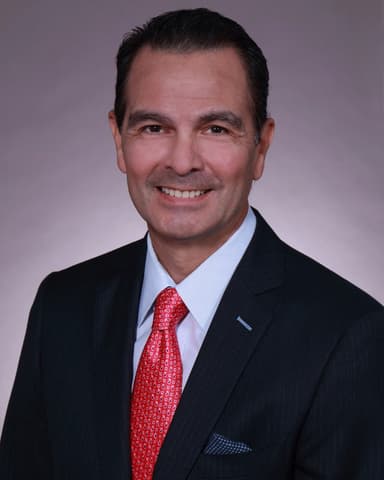
Sales and Marketing Leader, Retain
Michael has spent more than 25 years leading sales and marketing teams in pharmaceuticals, medical devices, and healthcare diagnostics, including 10 product launches and P&L responsibility up to $150M. He writes about how attorneys and physicians actually work together on expert engagements.
Keep reading
What Is an Expert Witness?
What qualifies someone as an expert witness, what they do at each stage of litigation, and how courts decide whose opinion the jury hears.
Expert Witness Fees: What Physicians Charge in 2026
Typical hourly rates for record review, deposition, and trial by specialty, and how engagement structures and retainers work.
Expert Witness Qualifications: What Courts Require
The qualification standards for medical expert witnesses, evidentiary rules, state malpractice statutes, and the practical credibility bar.