Key takeaways
- Common in fraud, upcoding, and reasonable-value disputes.
- Some cases need a physician on medical necessity; others need a certified coder — many need both.
- State fee schedules and payer contracts often decide the analysis.
The cases that need billing experts
Billing and coding testimony anchors several distinct litigation types: False Claims Act and qui tam actions alleging upcoding, unbundling, or billing for services not rendered; payer-provider disputes over medical necessity and reimbursement; criminal healthcare-fraud prosecutions; personal-injury damages fights over the reasonable value of medical services; and lien and balance-billing disputes. Each turns on whether documented care supports the codes billed — a question that lives at the intersection of medicine and CPT/ICD coding rules.
Physician expert or certified coder — or both
The two roles answer different questions. A certified professional coder testifies on coding rules: what the CPT descriptors, NCCI edits, and payer policies required, and whether the codes billed match the documentation. A physician expert testifies on the medicine underneath: whether the documented service was actually performed, medically necessary, and consistent with the encounter described. Fraud cases usually need both perspectives — the coder establishes the rule violation, the physician establishes that the clinical record cannot support the billing.
Physicians with formal coding credentials or medical-director experience at payers are the rarest and most valuable profile — one witness who can cover both halves without a handoff.
What the analysis looks like
Expect systematic claims-data review: sampling methodology (often contested), comparison of billed codes against chart documentation line by line, benchmarking a provider's coding distribution against specialty norms, and — in necessity disputes — record-level opinions on whether the service met coverage criteria. In damages contexts, the analysis shifts to what the reasonable value of services was, where billed charges, negotiated rates, and usual-customary-reasonable benchmarks all come into play.
Jurisdictional wrinkles
State law shapes these cases more than most: some states cap recoverable medical damages at amounts actually paid rather than billed, others let juries see full billed charges. Illinois, Texas, and California each generate steady billing-expert demand with materially different rules. Confirm your expert has testified under the framework your jurisdiction applies.
Finding the right expert
Retain matches attorneys with credential-verified physicians, including those with billing-compliance and payer-side experience, with transparent fee schedules shown up front. Describe the billing conduct at issue and the jurisdiction, and we will present matched candidates within 48 hours.
About the author
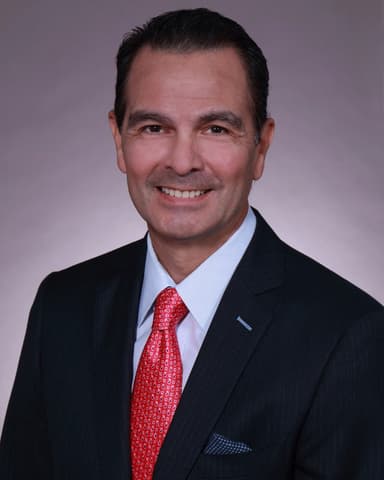
Sales and Marketing Leader, Retain
Michael has spent more than 25 years leading sales and marketing teams in pharmaceuticals, medical devices, and healthcare diagnostics, including 10 product launches and P&L responsibility up to $150M. He writes about how attorneys and physicians actually work together on expert engagements.
Keep reading
What Is an Expert Witness?
What qualifies someone as an expert witness, what they do at each stage of litigation, and how courts decide whose opinion the jury hears.
Expert Witness Fees: What Physicians Charge in 2026
Typical hourly rates for record review, deposition, and trial by specialty, and how engagement structures and retainers work.
Expert Witness Qualifications: What Courts Require
The qualification standards for medical expert witnesses, evidentiary rules, state malpractice statutes, and the practical credibility bar.