Key takeaways
- No license or certification exists for expert witness work — beware anyone selling one as required.
- The skills that matter are deposition discipline, clear teaching, and defensible methodology.
- Start by taking a small merit review, then build from there.
The honest starting point: no license required
There is no certification, credential, or mandatory course for becoming a medical expert witness. Courts qualify experts on medical credentials — board certification, active practice, publications — not on testimony training. Every certificate program in this space is optional. That said, the skills of expert work are genuinely distinct from the skills of medicine, and physicians who learn them early avoid expensive first-case mistakes.
The skills that actually decide your value
Report writing comes first: a federal Rule 26 report must disclose every opinion and its bases, and sloppy reports get experts excluded or destroyed on cross. Deposition performance comes second: answering only the question asked, resisting the urge to teach, staying inside your disclosed opinions. Third is methodology discipline — understanding that Daubert scrutiny attaches to HOW you reached an opinion, so your process must be one you can defend step by step. None of these are medical skills; all of them are learnable.
The habits that end expert careers are equally learnable to avoid: opining outside your specialty, advocacy language in reports, undisclosed conflicts, and testimony that contradicts your own published work — the first thing opposing counsel will find.
Where physicians learn this
Formal options include commercial seminar programs, bar-association CLE sessions open to experts, and mock-deposition workshops — useful mainly for the rehearsal reps, not the certificates. The cheaper and arguably better education: read well-drafted expert reports in your specialty, watch deposition videos, and have an experienced litigator run you through a practice cross-examination before your first real one. Your first engagements are the true training; smaller record-review matters build the skills before high-stakes trial work tests them.
What it pays and how to start
Physician experts typically bill several times their clinical hourly equivalent — record review commonly runs $400–800 per hour depending on specialty, with deposition and trial time higher. Most physicians start with record reviews and consulting (non-testifying) work, then progress to deposition and trial testimony as comfort grows. The practical entry requirements are an updated CV, a defined fee schedule, and availability for attorney conversations.
Retain handles the business side for you: verified profile, transparent fee schedule, W-9 and document handling, and attorneys who come to the platform already looking. Joining is free for physicians — you set your fees and keep all of them.
About the author
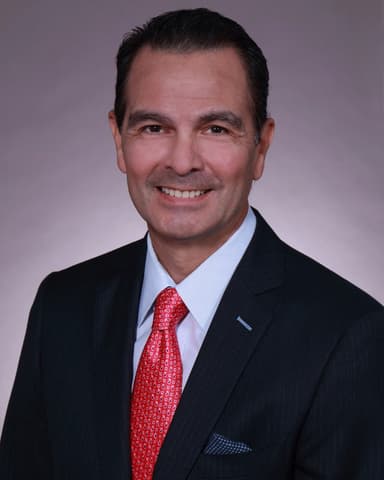
Sales and Marketing Leader, Retain
Michael has spent more than 25 years leading sales and marketing teams in pharmaceuticals, medical devices, and healthcare diagnostics, including 10 product launches and P&L responsibility up to $150M. He writes about how attorneys and physicians actually work together on expert engagements.
Keep reading
How to Become a Medical Expert Witness
A practical guide for physicians: qualifications, how to get your first case, setting fees, and what the work actually involves.
What Is an Expert Witness?
What qualifies someone as an expert witness, what they do at each stage of litigation, and how courts decide whose opinion the jury hears.
How to Find an Expert Witness
The four ways attorneys find experts, what each costs, and how to vet a candidate before disclosure.