Key takeaways
- Physicians establish the person of ordinary skill in the art and how a device or method is actually used.
- Testimony drives infringement, validity, and commercial-success arguments.
- Rates run well above malpractice work; litigation timelines are longer.
Why patent litigation needs physicians
Patent disputes over medical devices, drugs, and diagnostic methods turn on questions no engineer or economist can fully answer: how a device is actually used in the operating room, what a claimed method means in clinical practice, whether a prior-art reference would have taught a skilled practitioner the invention. Courts resolve those questions through the eyes of the "person of ordinary skill in the art" (POSA) — and when the art is interventional cardiology, orthopedic implants, or drug formulation, the POSA is often a physician.
Physician experts appear on both sides of these cases: supporting infringement or non-infringement positions with testimony about how the accused product works in practice, and supporting validity or invalidity positions with testimony about what the field knew and would have found obvious at the priority date.
Where physician testimony carries the case
Claim construction: many device and method claims use clinical terms of art — courts want testimony on what those terms mean to practitioners. Infringement: whether an accused device or procedure practices each claim element is frequently a clinical question, especially for method-of-treatment claims. Invalidity: obviousness analysis asks what a skilled artisan knew, and anticipation turns on how a practitioner would read the prior art. Damages side: clinical adoption patterns and medical necessity feed into lost-profits and reasonable-royalty analyses.
Hatch-Waxman pharmaceutical litigation adds its own lane: physicians testify on methods of treatment, skilled-artisan expectations for formulations and dosing, and clinical motivations to combine references.
What makes a strong medical patent expert
The credential bar is different from malpractice work. Courts do not require the expert to be a POSA themselves, but the strongest witnesses combine active clinical practice in the relevant procedure with something extra: device-development or industry-consulting experience, publications on the technique at issue, or fellowship training matching the technology. Prior deposition experience matters more here than in most fields — patent depositions are long, technical, and taken by attorneys who specialize in destabilizing experts.
Conflicts deserve early attention: many senior clinicians have consulting relationships with device or pharma companies, which can disqualify them or become cross-examination material. Vet financial relationships before disclosure, not after.
What this work pays
Patent litigation is the best-compensated corner of medical expert work. Rates commonly run above medical-malpractice benchmarks for the same specialty, engagements run longer (claim construction through trial can span years), and the retaining parties — technology companies and the firms that represent them — are accustomed to specialist pricing. For physicians considering expert work, IP cases are the strongest argument for maintaining an up-to-date CV and a clean disclosure record.
Finding the right expert
Retain matches attorneys with board-certified, credential-verified physicians across 35+ specialties, with transparent fee schedules disclosed before you commit. Tell us the technology, the claims at issue, and the procedural posture, and we will present matched candidates within 48 hours.
About the author
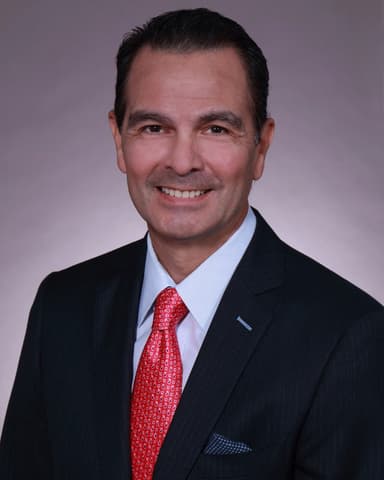
Sales and Marketing Leader, Retain
Michael has spent more than 25 years leading sales and marketing teams in pharmaceuticals, medical devices, and healthcare diagnostics, including 10 product launches and P&L responsibility up to $150M. He writes about how attorneys and physicians actually work together on expert engagements.
Keep reading
What Is an Expert Witness?
What qualifies someone as an expert witness, what they do at each stage of litigation, and how courts decide whose opinion the jury hears.
Expert Witness Fees: What Physicians Charge in 2026
Typical hourly rates for record review, deposition, and trial by specialty, and how engagement structures and retainers work.
Expert Witness Qualifications: What Courts Require
The qualification standards for medical expert witnesses, evidentiary rules, state malpractice statutes, and the practical credibility bar.